

Key Takeaways
- Hydraulic hose assemblies have three layers: tube, reinforcement, and cover. Each must be correctly matched to the application.
- Under-crimping causes end blowoff; over-crimping restricts fluid flow. Always verify crimp diameter against manufacturer specifications before approving an assembly.
- Improper routing and sharp bend radii are leading causes of premature hose failure. Use 45-degree or 90-degree fittings when straight routing would create kinks or contact points.
- Both ambient and operating temperatures affect hose service life. Heat-resistant sleeves protect hoses routed near high-temperature components.
- Hoses rated for your system's maximum pressure provide greater margin against surge-related blowouts than hoses run at their rated limit.
Hydraulic hose failures are a major cause of downtime on any job site that depends on heavy machinery. While hose assemblies will eventually wear out, premature failures are preventable. Following five construction, routing, and maintenance practices can significantly extend hose service life and keep equipment running.
Step 1: How Do You Construct a Hydraulic Hose Assembly Correctly?
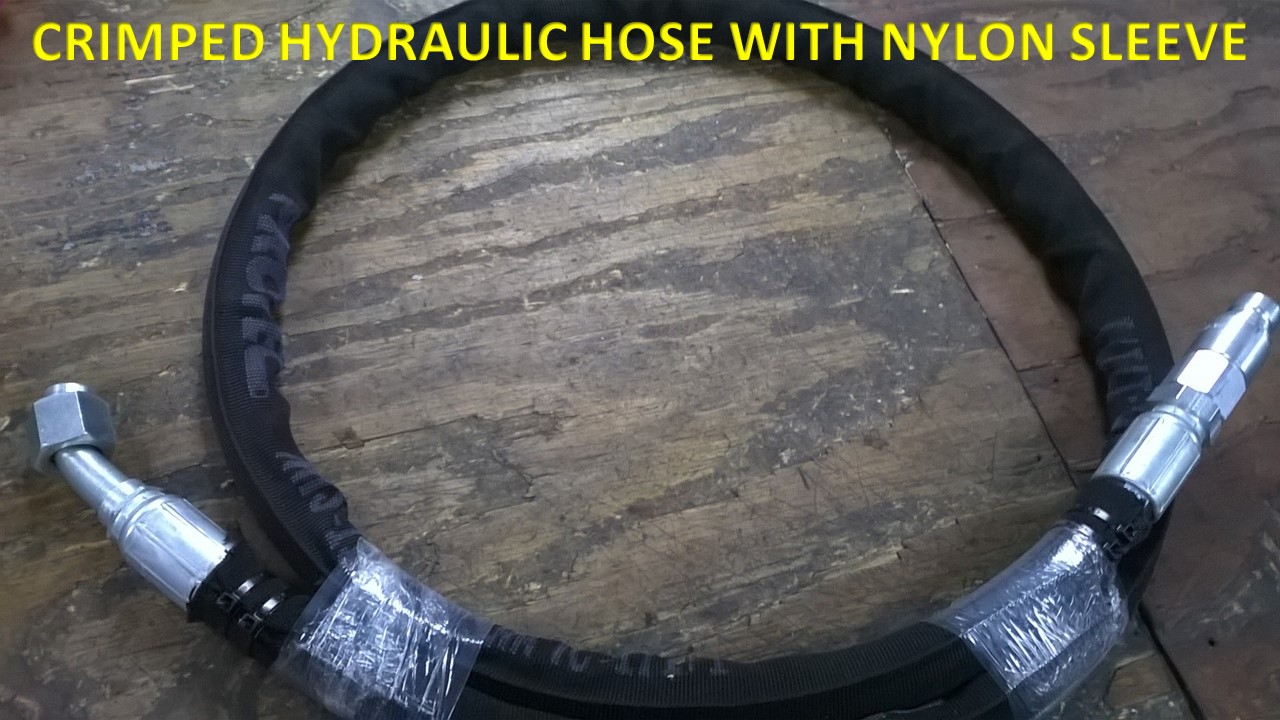
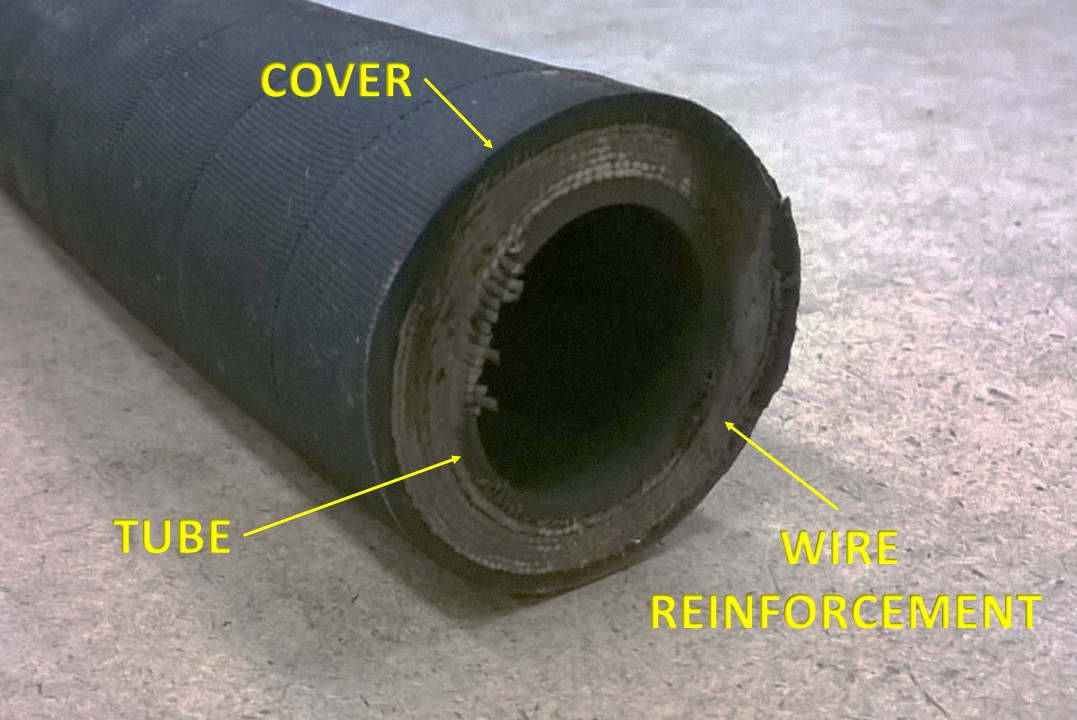
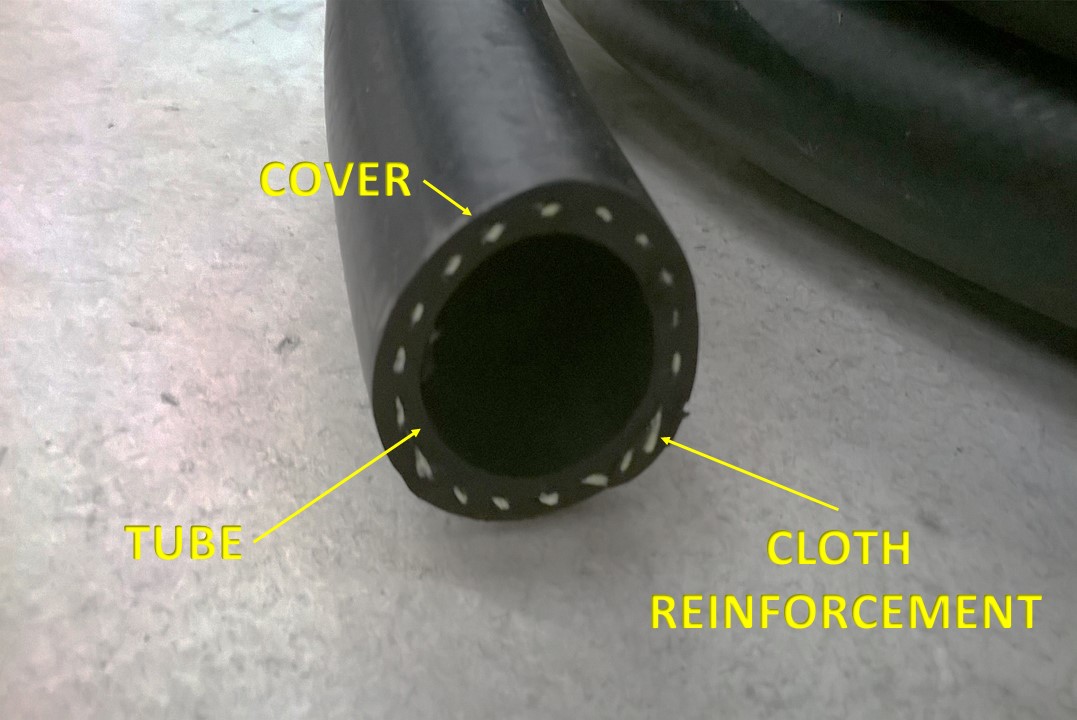
A hydraulic hose comprises three parts: the tube, which is the inner rubber compound that transports fluid; the reinforcement, which is a braided wire or spiral wire wrapping that provides strength; and the cover, which is the exterior layer that protects against abrasion and environmental exposure. Fittings attach to both ends to connect the hose to the machine.
Key construction requirements:
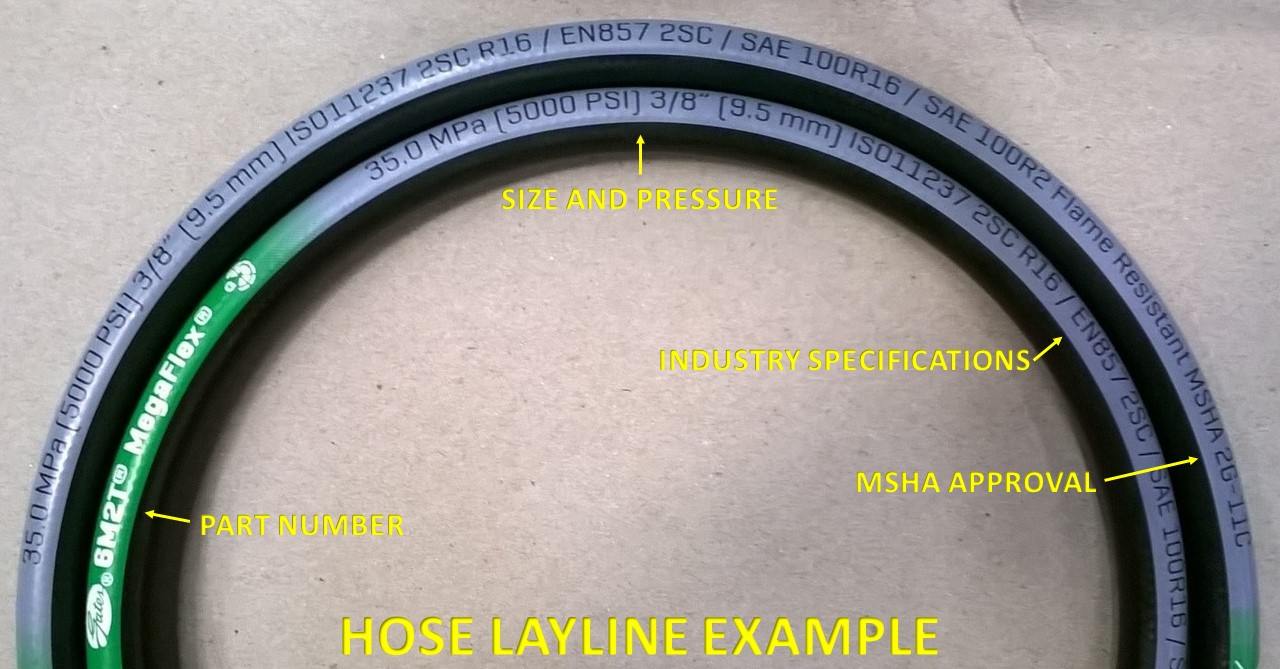
- Verify hose identification on the layline matches the length and diameter specifications for the application.
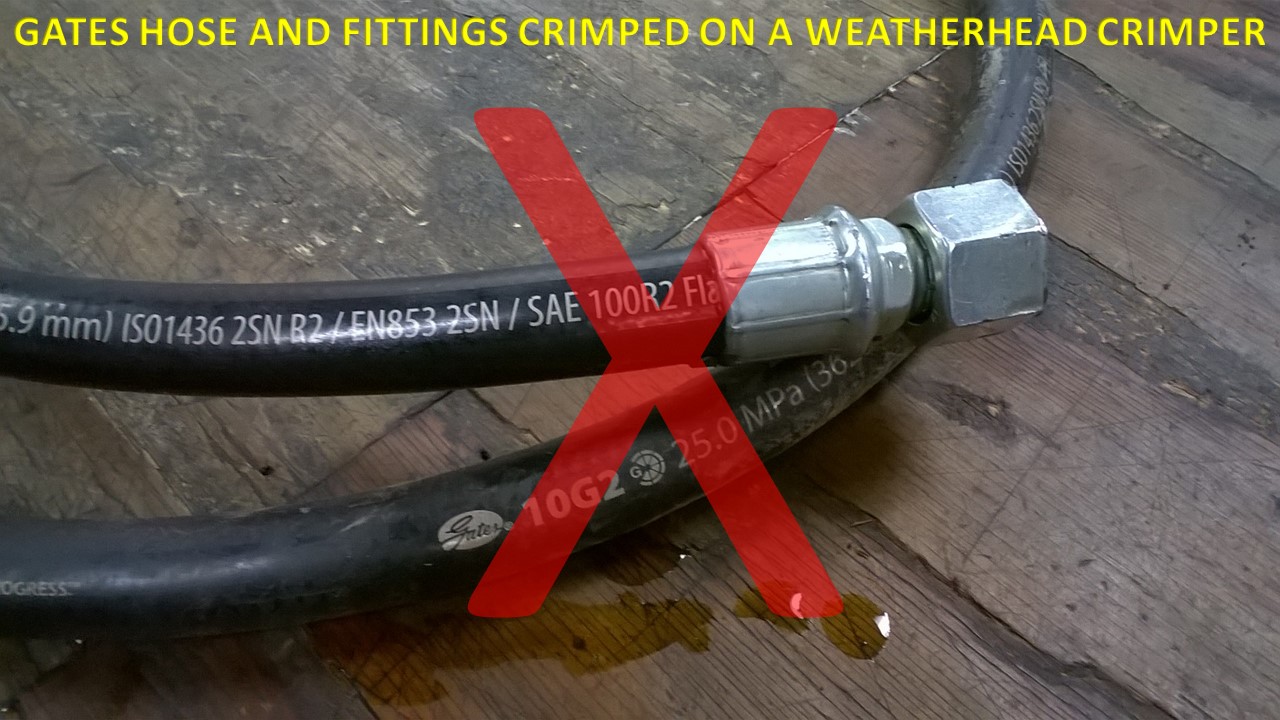
- Follow manufacturer recommendations for proper assembly, using the correct fittings for the hose type.
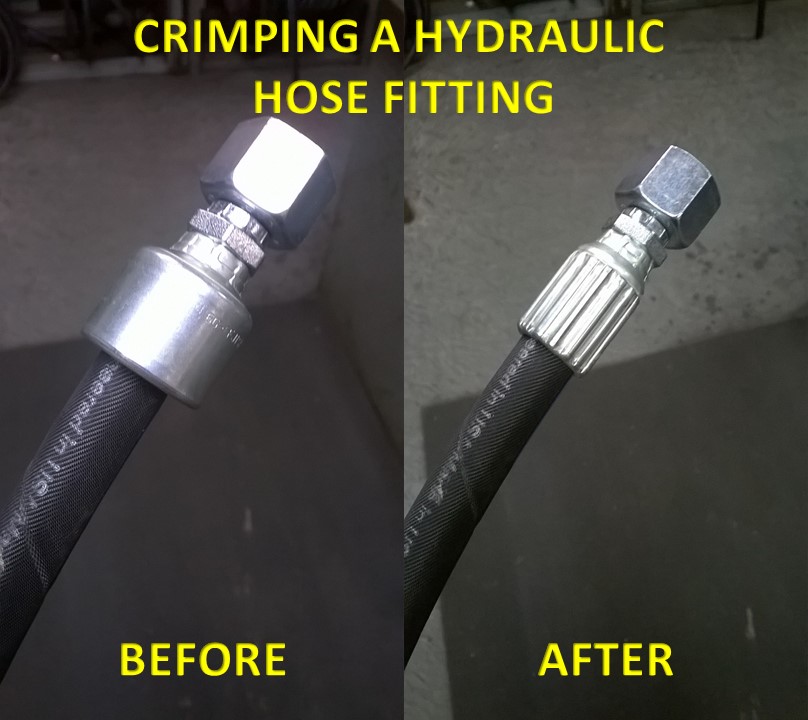
- Ensure fittings are fully pushed onto the hose before crimping to prevent blowoff under pressure.
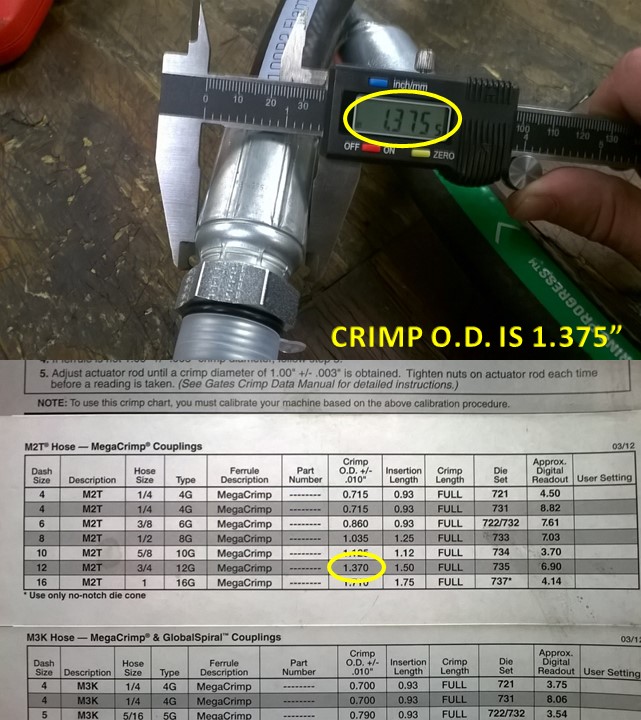
- Use proper crimping specifications: under-crimping causes end blowoff; over-crimping restricts fluid flow and can damage the hose internally.
- Check the crimp diameter against the manufacturer's crimp specifications using a caliper before approving the assembly.
Step 2: How Should Hydraulic Hoses Be Routed?
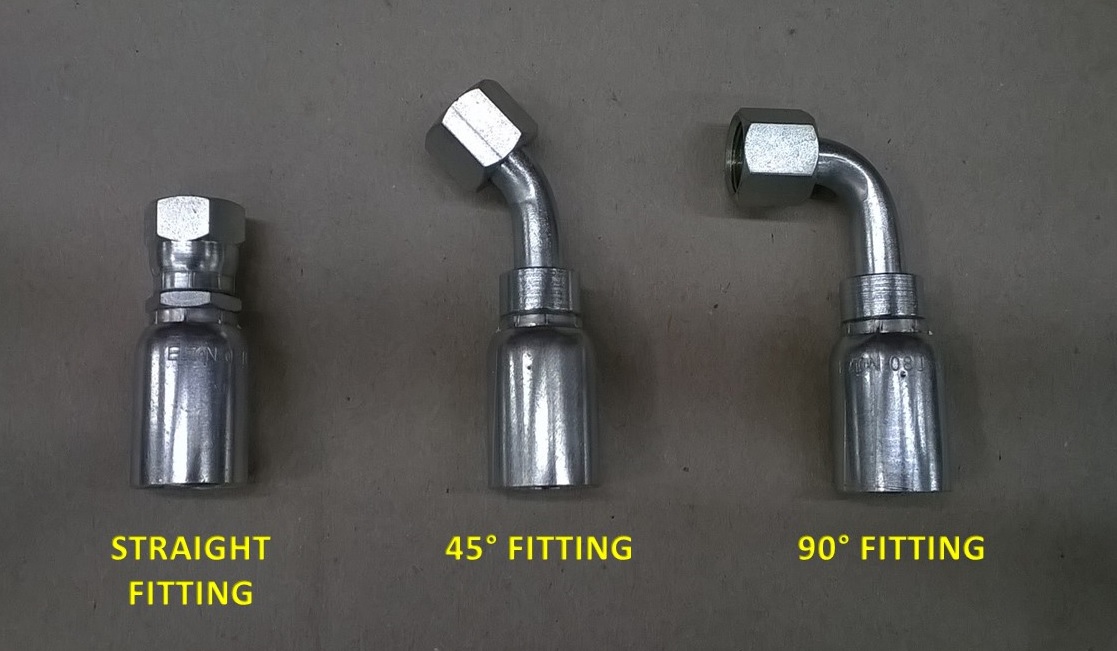
Improper routing causes abrasion against machine components and weakens the hose structure over time. Use clamps and pivot points that prevent hose-to-machine contact throughout the full range of machine movement. When routing geometry is tight, use 45-degree or 90-degree fittings rather than forcing a straight hose through a tight radius.
Step 3: Why Does Bend Radius Matter for Hydraulic Hoses?
Hose manufacturers specify a minimum bend radius for each hose type. Operating below that minimum restricts flow, flattens the hose bore, and accelerates internal wear. A tight bend radius can also cause kinking that creates a permanent weak point. When planning routing, allow slack for the movement that occurs under pressure and during normal machine operation.
Step 4: How Does Temperature Affect Hydraulic Hose Life?
Two temperature types affect hose service life:
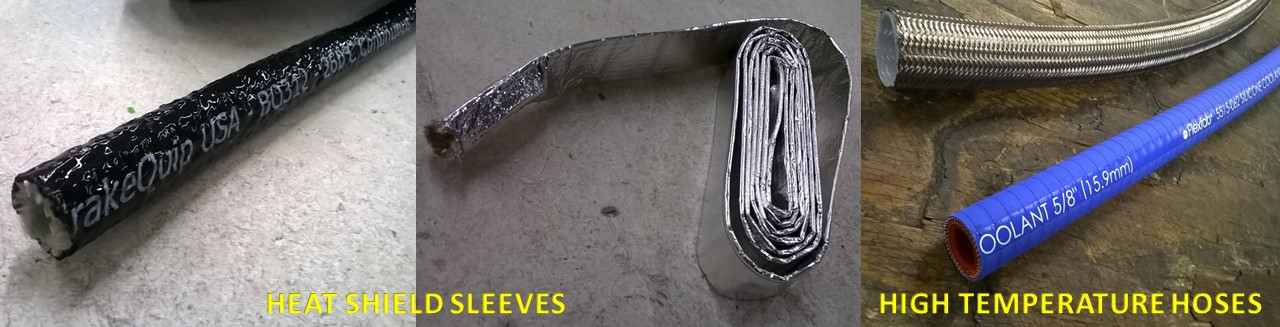
Ambient temperature: External heat sources from nearby machine components can create localized weak spots on the hose cover and inner tube. Keep hoses away from exhaust systems, hydraulic reservoirs, and other heat-generating components where possible. When routing near a heat source is unavoidable, heat-resistant sleeves provide additional protection.
Step 5: What Happens When Hydraulic Hoses Exceed Rated Pressure?
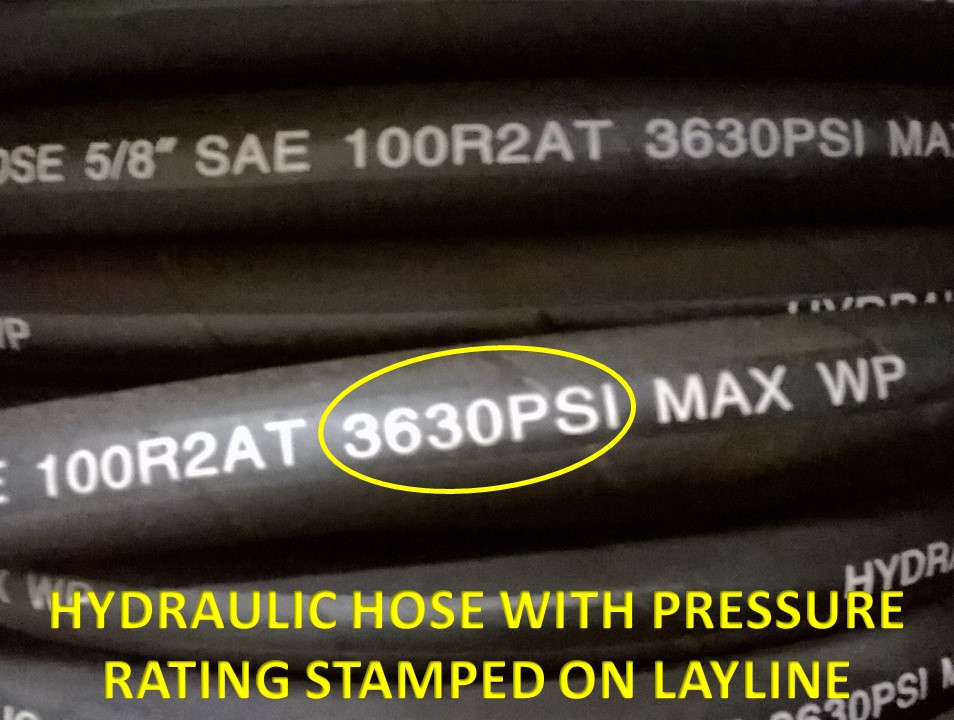
Hose pressure ratings appear on the layline. Operating continuously at or near maximum rated pressure shortens service life and increases the risk of blowouts and leaks. Systems with pressure spikes or surges impose momentary loads well above the steady-state pressure reading. In high-surge applications, specify a hose rated above the system's working pressure to provide margin.
Hose and fitting products:
Need help?
Contact us today or call us at 800-669-9650 for help selecting hydraulic hose and fittings for your application.
We have 11 locations across the Southeast and Midwest, including Knoxville, TN; Marietta, GA; Orlando, FL; Charlotte, NC; Little Rock, AR; Fort Worth, TX; Benton, IL; Madisonville, KY; Princeton, WV; Birmingham, AL; and Calvert City, KY.
Frequently Asked Questions
The leading causes are improper routing (abrasion from equipment contact), exceeding the minimum bend radius, operating above rated pressure or temperature, and incorrect crimp specifications. Most premature failures are preventable with correct assembly technique and routing practices.
Inspect hoses visually at every scheduled maintenance interval and immediately after any event that may have stressed the system, such as a pressure surge, impact, or extreme temperature exposure. Look for abrasion wear, cracking at the cover, distortion at the fittings, and any sign of weeping or staining near connection points.
Crimp diameter specifications are set by the hose and fitting manufacturer for each hose-fitting combination. Look up the specific crimp specification in the manufacturer's crimp chart before assembling. Verify the finished crimp with a caliper. Do not estimate by sight or feel.
A hose that has blown off a fitting at the crimp must be re-made with a new fitting. The hose end where the fitting was seated is deformed and cannot be recrimped reliably. Inspect the hose tube for internal damage at the blown end before reusing the hose body.
The maximum working pressure is printed on the hose layline. Compare that rating against your system's working pressure and confirm it accounts for any pressure spikes. For systems with high surge loads, select a hose with a working pressure rating above the peak surge pressure, not just the steady-state operating pressure.
Hose assemblies will eventually fail, but following these five steps significantly delays premature failure and minimizes unplanned downtime. The time spent on correct construction, routing, and specification verification is recovered many times over when equipment stays running through a full shift.


