

Key Takeaways
-
Hard water deposits, debris, and worn nozzles are the leading causes of pressure washer nozzle clogs.
-
A cleaning wire, vinegar soak, or inlet strainer can clear most blockages quickly.
-
Flushing the system after every use and using clean water prevents mineral buildup.
-
Replace any nozzle showing uneven spray, reduced pressure, or visible wear at the orifice.
-
Keeping spare nozzles, strainers, and connectors on hand reduces downtime.
When a pressure washer starts losing power, pulsing, or spraying unevenly, a clogged nozzle is usually the cause. It is among the most common equipment failures for both homeowners and commercial operators, and it tends to happen mid-job. Most nozzle clogs come down to water quality, debris, or worn components, and the right maintenance routine, proper filtration, and timely nozzle replacement prevent the majority of them.
What Causes Pressure Washer Nozzles to Clog?
Hard Water and Mineral Buildup
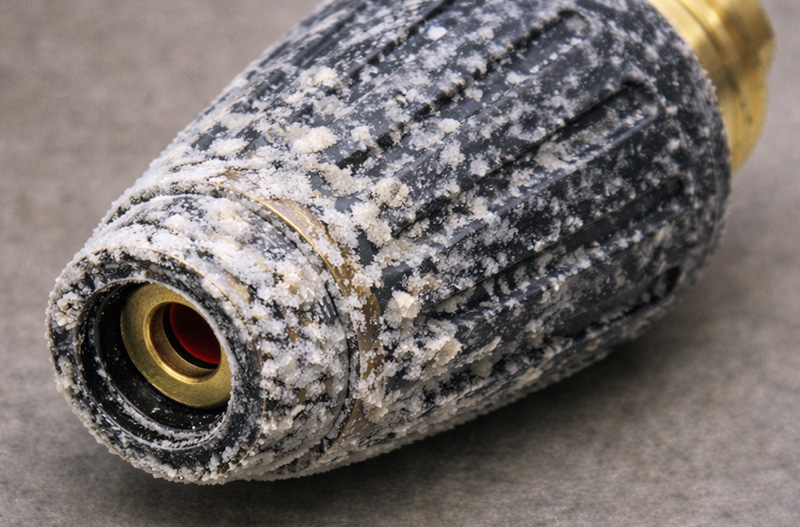
Hard water leaves behind calcium and magnesium deposits. Over time, these minerals accumulate inside the nozzle and restrict flow. A worn-out nozzle or older attachment accelerates the problem, which is why replacing pressure washer nozzles on a regular schedule helps maintain consistent spray output.
Dirt, Debris, and Contaminants in the Water Supply
Unfiltered water, especially from outdoor or industrial sources, carries particles that block the nozzle orifice and cause inconsistent spraying. Installing pressure washer strainers at the inlet dramatically reduces debris before it reaches the nozzle.
Worn or Damaged Nozzles
As nozzles wear down, their openings become irregular and more prone to trapping debris. Erratic spray patterns are a clear sign that a new set of pressure washer nozzles is needed to restore proper flow and pressure.
Poor Maintenance or Infrequent Cleaning
Skipping regular nozzle cleaning allows debris and mineral buildup to accumulate over time. Pressure washer connectors and quick-couplers also collect debris, so inspecting them regularly helps prevent clogs throughout the system.
How to Fix a Clogged Pressure Washer Nozzle
Use a Nozzle Cleaning Tool or Wire Kit
Start with a small cleaning wire to remove debris inside the orifice. Insert it gently to avoid damaging the nozzle.
Flush the Nozzle With Clean Water
Rinse from both ends to push all loosened debris out of the orifice.
Soak the Nozzle in Vinegar or Descaling Solution
Soaking dissolves mineral buildup caused by hard water.
Check the Inline Filter or Strainer
Many pressure washers include a small debris filter at the water inlet. If the machine does not have one, or if the existing filter is worn, adding a pressure washer strainer keeps particles from entering the system.
Replace the Nozzle if It Is Worn or Damaged
If cleaning does not restore a consistent spray pattern, replacing the tip is the fastest fix. Keeping spare nozzles or assortments on hand ensures no downtime on the job.
How to Prevent Clogged Pressure Washer Nozzles
Install a Water Filter or Inlet Screen
Using a durable strainer at the inlet is the simplest way to prevent debris from reaching the nozzle, especially when drawing from outdoor water sources.
Use Clean, Potable Water Whenever Possible
Avoid using water from ponds, tanks, or unfiltered wells unless proper filtration is in place.
Flush the System After Every Use
A quick post-use rinse clears residual dirt and minerals before they harden inside the nozzle or spray gun.
Choose the Right Nozzle for Your PSI and GPM
Matching nozzle size to the pressure washer's pounds per square inch (PSI) rating and gallons per minute (GPM) flow rate prevents unnecessary system stress. Keeping a small selection of nozzles or assorted nozzle sets ensures proper performance and reduces clogs.
Inspect Your Connectors and Spray Guns
Debris often gets trapped in worn-out fittings, especially quick-connect points. Regularly checking pressure washer connectors and spray guns helps prevent unexpected spray issues.
When to Replace a Pressure Washer Nozzle
Replace the nozzle when any of the following symptoms appear:
-
An uneven spray pattern.
-
Reduced pressure.
-
Pulsing or surging.
-
Visible wear around the opening.
Most high-use operators replace nozzles more frequently than homeowners because of daily wear and abrasive water sources.
Read How to Select a Replacement Nozzle
Pressure Washer Accessories That Help Prevent Clogs
Royal Brass and Hose carries a full lineup of accessories that help prevent buildup and keep pressure washers running reliably:
-
Nozzles: Replacement tips in multiple spray patterns
-
Strainers: Essential for trapping dirt before it reaches the nozzle
-
Connectors: Upgraded fittings that ensure a clean, secure flow path
-
Lances: Extended reach attachments that deliver consistent pressure
-
Spray Guns: Ergonomic, reliable triggers that maintain flow
-
Assortments: Multi-pack options that provide backups and variety
These parts prevent clogs and also improve pressure, consistency, and overall cleaning performance.
Need Help Choosing Pressure Washer Parts?
Whether dealing with a current clog or setting up to prevent future ones, the right accessories make a significant difference. Royal Brass and Hose carries nozzles, strainers, connectors, spray guns, lances, and assortment packs for commercial and residential pressure washing.
Contact us today or call us at 800-669-9650 so we can help you with your pressure washer needs.
Frequently Asked Questions
The most common causes are mineral deposits from hard water, dirt and debris in unfiltered water, worn nozzle openings that trap particles, and infrequent cleaning. Installing an inlet strainer and using clean water are the most effective preventive steps.
Start by using a cleaning wire to clear the orifice, then rinse from both ends. For mineral buildup, soak the nozzle in vinegar or a descaling solution. If cleaning does not restore a consistent spray pattern, replace the nozzle.
Replace the nozzle when spray becomes uneven, pressure drops, pulsing begins, or visible wear appears at the opening. Commercial operators typically need replacements more frequently than homeowners because of daily use and harsher water sources.
Yes. A strainer at the water inlet traps dirt and debris before they reach the nozzle, preventing the most common type of clog. This is especially important when drawing from outdoor or industrial water sources.


